

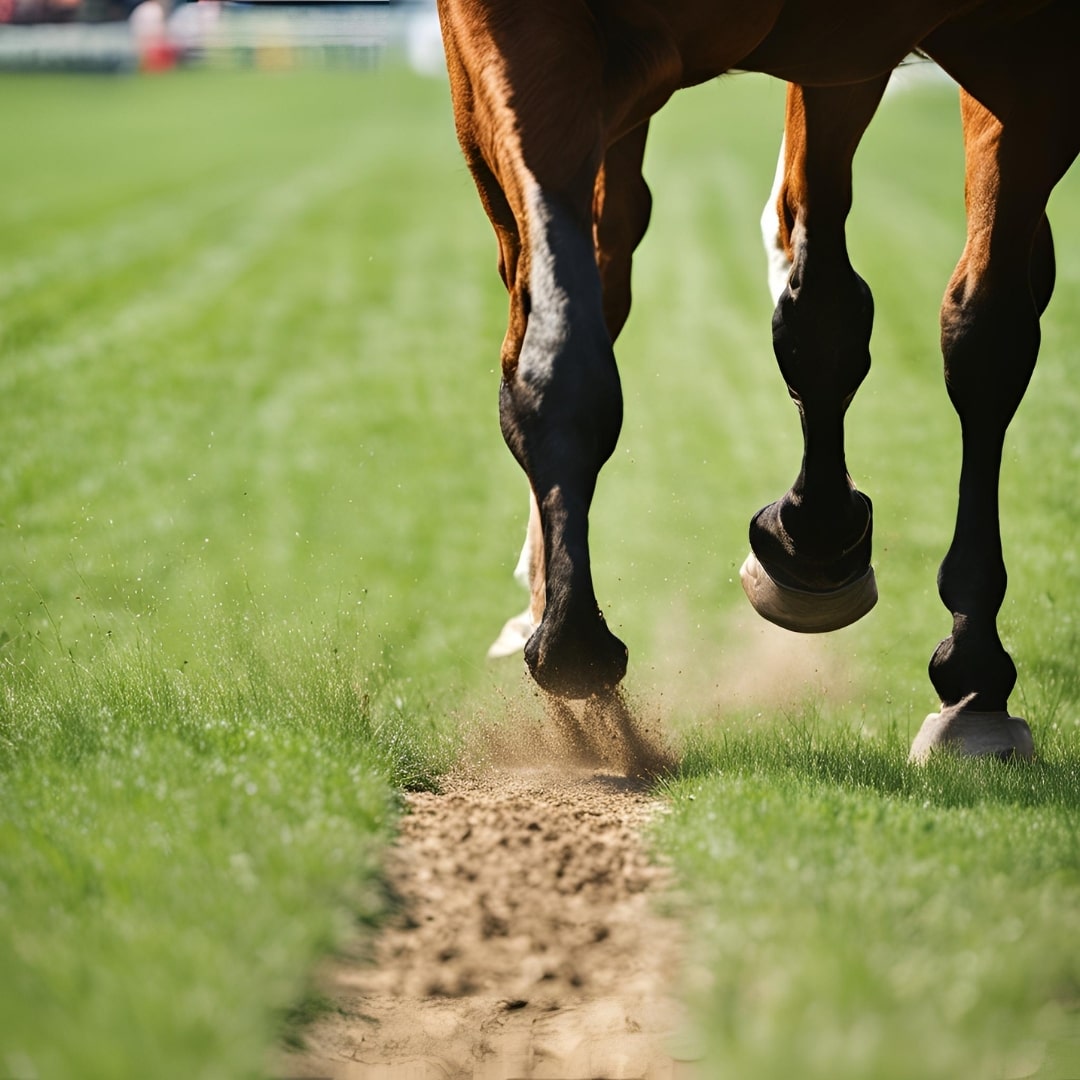
Horse racing is a highly exciting and strategic sport for both riders and horses. The success of this sport depends on many factors, and one of these factors is the surface of the racetrack. So, why is the surface so important in horse racing? Here are some key points to know about this topic:
The Impact of the Surface on Horses’ Health
The health of the horses is fundamental to a successful racing performance. An appropriate surface reduces the risk of injuries that could occur in the horses’ legs and joints. Hard and uneven surfaces can cause serious damage to the horses’ tendons and ligaments. On the other hand, a soft and flexible surface absorbs impact, allowing the horses to stride more comfortably and minimizing the risk of injury.
Effects on Performance and Speed
The surface of the racetrack directly affects the speed and performance of the horses. Muddy or slippery surfaces can cause horses to slip and lose their balance, which negatively impacts their performance. An ideal surface should be firm enough yet flexible. This balance enables the horses to reach their maximum speed and allows their performance to peak.
Strategic Advantages
Another important aspect of the surface in horse racing is the strategic advantages it offers. Some horses perform better on certain types of surfaces compared to others. Therefore, trainers and jockeys carefully analyze the condition of the surface before the race and plan their strategies accordingly. For example, a horse that excels on turf may perform better on such surfaces.
In conclusion, the surface in horse racing affects many important factors, from the horses’ health to their performance. Therefore, the surfaces of racetracks should be carefully chosen and regularly maintained. The right surface is critical for the safety and success of both horses and riders.


